-
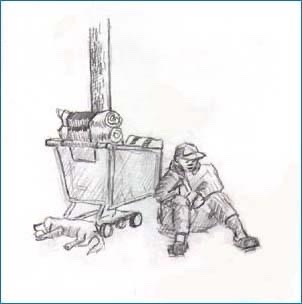
What changes when you’re the one in the room — How proximity reshapes what we think we know
There’s a particular shift that happens when something stops being theoretical and starts being shared space. Before that moment, we have ideas. Opinions. Frameworks. We talk about people, about situations, about harm or recovery or need. We speak with confidence because distance makes things feel tidy. Then you’re in the room. You notice how quickly…
-
Sitting in the Car Before Going In – That in-between moment many people know.
There’s a particular pause that happens before the door opens. Engine off. Keys still in hand. The world held at arm’s length for a few seconds longer.
-

When nothing is resolved — and that’s okay. Learning to make things unfinished
We’re trained to measure care by outcomes. By closure. By whether something was fixed, clarified, wrapped up neatly before we left the room. So when nothing is resolved, it can feel like failure—awkward, inefficient, unfinished.
-
Good intentions don’t always feel good – What lived experience notices first?
Good intentions arrive early. They’re often warm, earnest, well-phrased. But lived experience notices something else first: how it lands.
-

The Difference Between Being Heard and Being Helped – A reflection on dignity, agency, and unintended harm
Being helped can feel active, efficient, even generous. Being heard is quieter — slower — and often much harder to tolerate. One offers solutions; the other offers space.